 EN
 Deutsch
 中文
 Español
 Français
 Italiano
 日本語
 Русский
 Türkçe
 Nederlands
What is the Joinmarket Maker Taker Protocol?
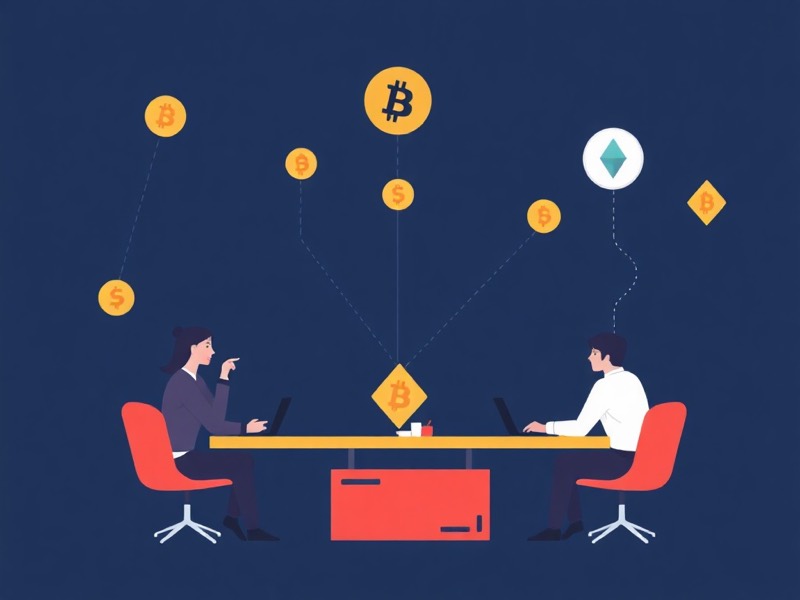
The joinmarket maker taker protocol is a foundational framework that governs how trades are executed on decentralized exchanges (DEXs), particularly within the Blender.io ecosystem. At its core, this protocol defines the roles of makers and takers, two distinct participants in the trading process. Makers provide liquidity by placing orders that are not immediately filled, while takers execute trades by taking liquidity from the order book. This dynamic is critical for ensuring efficient price discovery and market stability on platforms like Blender.io.
Defining Makers and Takers in Decentralized Exchanges
In the context of the joinmarket maker taker protocol, makers are users who add liquidity to the order book by placing limit orders. These orders remain active until they are matched with a taker’s request. For example, if a user sets a buy order for 1 BTC at $30,000, they act as a maker. Takers, on the other hand, place market orders that immediately consume the available liquidity. Their actions drive price movements and ensure that trades are executed swiftly. This distinction is essential for understanding how the protocol operates within Blender.io’s decentralized framework.
The Core Principles of the Protocol
The joinmarket maker taker protocol is built on principles of transparency, efficiency, and decentralization. It ensures that all trades are executed in a fair and predictable manner, reducing the risk of manipulation. By separating the roles of makers and takers, the protocol incentivizes liquidity provision while allowing users to trade with minimal slippage. This structure is particularly beneficial for Blender.io users who seek a reliable and secure trading environment.
How the Joinmarket Maker Taker Protocol Works
The joinmarket maker taker protocol functions through a series of steps that govern trade execution. Understanding this process is key to leveraging its benefits on Blender.io. The protocol relies on smart contracts to automate order matching, ensuring that makers and takers interact seamlessly. This automation not only enhances speed but also reduces the need for intermediaries, aligning with the decentralized ethos of Blender.io.
The Role of Makers and Takers in the Protocol
Makers and takers play complementary roles in the joinmarket maker taker protocol. Makers are rewarded with trading fees for providing liquidity, which encourages a deeper order book. Takers, in turn, benefit from faster execution and lower slippage. For instance, a taker placing a large order on Blender.io can rely on the liquidity provided by makers to fulfill their request without significant price impact. This balance is crucial for maintaining market health and user satisfaction.
Execution of Trades Through the Protocol
When a taker initiates a trade on Blender.io, the joinmarket maker taker protocol determines how the order is matched with existing liquidity. If a taker’s order matches a maker’s limit order, the trade is executed instantly. However, if no matching order exists, the taker’s request may remain unfulfilled until a maker adjusts their order. This mechanism ensures that trades are only executed when there is sufficient liquidity, preventing unnecessary losses for both parties. The protocol’s smart contract logic handles these matches efficiently, making it a robust system for Blender.io users.
Integration with Blender.io Platform
The joinmarket maker taker protocol is seamlessly integrated into Blender.io’s infrastructure, allowing users to participate in trading activities with ease. Blender.io’s platform leverages this protocol to manage order books, execute trades, and distribute fees. This integration ensures that users can access a liquid and transparent market, regardless of their trading volume. By adhering to the protocol, Blender.io maintains a competitive edge in the decentralized exchange space, offering a reliable solution for both makers and takers.
Benefits of Using the Joinmarket Maker Taker Protocol
The joinmarket maker taker protocol offers numerous advantages for users of Blender.io. By structuring trades around the roles of makers and takers, the protocol enhances liquidity, reduces costs, and improves overall trading efficiency. These benefits make it an attractive option for both novice and experienced traders seeking a secure and cost-effective platform.
Enhanced Liquidity and Market Depth
One of the primary benefits of the joinmarket maker taker protocol is its ability to increase liquidity on Blender.io. Makers who provide liquidity are incentivized through fee rewards, which encourages a larger pool of available orders. This depth of liquidity allows takers to execute large trades with minimal price slippage. For example, a user placing a $100,000 order on Blender.io can rely on the protocol’s liquidity to fulfill their request without significant price fluctuations. This feature is particularly valuable in volatile markets where liquidity can be scarce.
Reduced Trading Costs and Slippage
The joinmarket maker taker protocol also helps reduce trading costs for Blender.io users. By matching takers’ orders with existing liquidity, the protocol minimizes the need for price adjustments, which can lower transaction fees. Additionally, the presence of makers ensures that takers can execute trades at more favorable prices. This cost efficiency is a major draw for traders who want to maximize their returns while minimizing expenses. The protocol’s design ensures that both makers and takers benefit from a balanced and fair trading environment.
Security and Transparency in Transactions
Security is a critical concern for any trading platform, and the joinmarket maker taker protocol addresses this through its decentralized and transparent nature. All trades executed under the protocol are recorded on the blockchain, ensuring immutability and traceability. This transparency reduces the risk of fraud and enhances user trust. For Blender.io users, this means they can trade with confidence, knowing that their transactions are secure and verifiable. The protocol’s reliance on smart contracts further enhances security by automating processes and eliminating the need for centralized intermediaries.
Challenges and Considerations
While the joinmarket maker taker protocol offers significant benefits, it is not without challenges. Users of Blender.io must be aware of potential complexities, market volatility, and security risks associated with the protocol. Understanding these challenges is essential for making informed decisions and maximizing the protocol’s advantages.
Complexity for New Users
The joinmarket maker taker protocol can be challenging for newcomers to Blender.io. The distinction between makers and takers, along with the mechanics of order matching, may seem overwhelming at first. Users unfamiliar with decentralized exchanges might struggle to navigate the protocol’s requirements. To mitigate this, Blender.io provides educational resources and user-friendly interfaces to help users understand the protocol’s workings. However, the learning curve remains a barrier for some, highlighting the need for continued support and simplification of the system.
Market Volatility and Its Impact
Market volatility poses a significant challenge for the joinmarket maker taker protocol on Blender.io. Sudden price swings can lead to liquidity shortages, making it difficult for takers to execute large orders. Makers may also face risks if their limit orders are not filled due to rapid price changes. For instance, a sudden drop in Bitcoin’s price could cause makers to withdraw their liquidity, leaving takers with unfulfilled requests. This volatility underscores the importance of risk management strategies for users operating under the protocol.
Security Risks and Mitigation Strategies
Although the joinmarket maker taker protocol is designed with security in mind, it is not entirely immune to risks. Smart contract vulnerabilities, hacking attempts, or malicious actors could compromise the protocol’s integrity. Blender.io mitigates these risks through rigorous security audits, multi-signature wallets, and continuous monitoring of the platform. Users are also advised to follow best practices, such as using strong passwords and enabling two-factor authentication, to protect their assets. These measures ensure that the protocol remains a secure option for Blender.io users.
Real-World Applications and Case Studies
The joinmarket maker taker protocol has been successfully implemented in various decentralized exchanges, with Blender.io serving as a prime example. By analyzing real-world use cases, we can better understand how the protocol functions in practice and its impact on trading activities.
Blender.io’s Implementation of the Protocol
Blender.io has integrated the joinmarket maker taker protocol into its core trading infrastructure, allowing users to benefit from its structured approach to order matching. The platform’s use of this protocol has led to increased liquidity and improved trading efficiency. For example, during periods of high market activity, Blender.io’s order book remains deep, enabling users to execute large trades without significant slippage. This implementation demonstrates the protocol’s effectiveness in a live trading environment and highlights its value for Blender.io users.
Future Outlook and Potential Developments
The joinmarket maker taker protocol is likely to evolve as the decentralized exchange landscape continues to grow. Innovations in smart contract technology, increased user adoption, and regulatory changes could shape the protocol’s future. For Blender.io, staying ahead of these developments will be crucial to maintaining its competitive position and ensuring a seamless experience for users.
The joinmarket maker taker protocol remains a cornerstone of decentralized trading, offering a robust framework for liquidity provision and trade execution. As Blender.io continues to refine its implementation of this protocol, users can expect enhanced features, improved security, and greater accessibility. By understanding the protocol’s mechanics and benefits, traders can make the most of Blender.io’s offerings and navigate the complexities of decentralized finance with confidence.