 EN
 Deutsch
 中文
 Español
 Français
 Italiano
 日本語
 Русский
 Türkçe
 Nederlands

In the world of Bitcoin, managing digital assets efficiently is crucial. One often overlooked aspect is the handling of dust UTXOs, which can pose risks to both security and wallet performance. Understanding how to freeze dust UTXOs is essential for users who want to maintain control over their funds while minimizing vulnerabilities. This guide will explore the concept of dust UTXOs, the risks they present, and practical methods to address them effectively.
Understanding Dust UTXOs and Their Impact
What Are Dust UTXOs?
A dust UTXO refers to a small, often insignificant amount of Bitcoin that is left in a wallet after transactions. These UTXOs are typically below a certain threshold, known as the "dust limit," which varies depending on the network and wallet provider. While they may seem harmless, dust UTXOs can accumulate over time, creating clutter in a wallet and potentially exposing users to security risks. For instance, if a dust UTXO is sent to an untrusted address, it could be used in a how to freeze dust UTXOs strategy to launder funds or exploit vulnerabilities in the blockchain.
Why Dust UTXOs Matter
The accumulation of dust UTXOs can have several negative consequences. First, they reduce the overall efficiency of a wallet by increasing the number of transactions required to move funds. Second, they may be targeted by malicious actors who use how to freeze dust UTXOs techniques to manipulate transaction patterns or exploit weaknesses in the network. Additionally, some wallets may not support small UTXOs, leading to transaction failures or increased fees. By addressing dust UTXOs proactively, users can enhance their wallet’s performance and reduce potential risks.
Methods to Freeze Dust UTXOs
Using a Bitcoin Mixer
One of the most effective ways to address dust UTXOs is through the use of a how to freeze dust UTXOs strategy involving a Bitcoin mixer. A mixer, also known as a tumbler, is a service that obscures the transaction history of funds by breaking them into smaller, randomized amounts. This process makes it difficult to trace the origin of the funds, effectively "freezing" the UTXOs in a way that reduces their traceability. Users can send their dust UTXOs to a mixer, which will then redistribute the funds in a way that severs their connection to the original transaction. However, it is crucial to choose a reputable mixer to avoid potential scams or regulatory issues.
Consolidating UTXOs
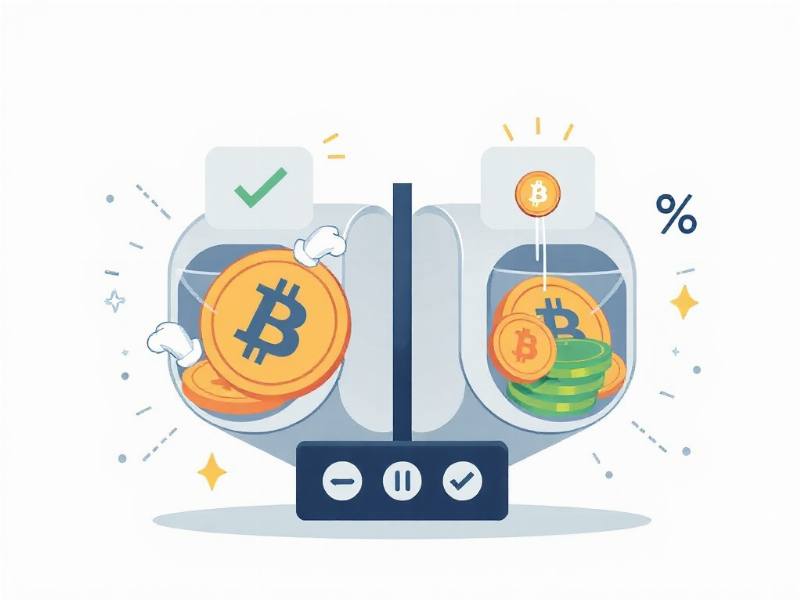
Another method to freeze dust UTXOs is by consolidating them into a single, larger UTXO. This process involves moving all small UTXOs into one address, which can then be used for future transactions. Consolidation reduces the number of UTXOs in a wallet, improving its efficiency and reducing the risk of dust-related issues. To achieve this, users can use a wallet that supports UTXO management or manually transfer funds from multiple addresses to a single one. While this method does not fully obscure the transaction history, it minimizes the number of small UTXOs that could be exploited. It is important to note that consolidation may require paying transaction fees, so users should weigh the costs against the benefits.
Leveraging Wallet Features
Many modern wallets offer built-in tools to manage dust UTXOs. For example, some wallets automatically consolidate small UTXOs or provide options to "freeze" them by moving them to a cold storage address. These features can be part of a broader how to freeze dust UTXOs strategy, allowing users to handle dust UTXOs without relying on external services. Users should explore their wallet’s settings to identify any available tools for managing UTXOs. Additionally, some wallets may offer alerts when dust UTXOs accumulate, enabling users to take action before the issue becomes significant.
Best Practices for Freezing Dust UTXOs
Regular Monitoring and Maintenance
To effectively implement a how to freeze dust UTXOs strategy, users must regularly monitor their wallets for dust UTXOs. This can be done manually by reviewing transaction history or using wallet features that track UTXO balances. Setting up alerts for small transactions or UTXO changes can help users stay proactive. Additionally, periodic maintenance, such as consolidating UTXOs or using a mixer, should be part of a user’s routine. By staying vigilant, users can prevent the accumulation of dust UTXOs and reduce the associated risks.
Choosing the Right Tools
Selecting the appropriate tools is critical when attempting to freeze dust UTXOs. For instance, if using a Bitcoin mixer, users should research and choose a service with a strong reputation for security and privacy. Similarly, when consolidating UTXOs, users should ensure their wallet or third-party tool is reliable and compatible with their needs. It is also advisable to test any tool or method on a small amount of funds before applying it to larger UTXOs. This approach minimizes the risk of errors or losses while ensuring the how to freeze dust UTXOs strategy is effective.
Conclusion: The Importance of Freezing Dust UTXOs
Freezing dust UTXOs is not just a technical necessity but a strategic move for Bitcoin users. By understanding how to freeze dust UTXOs, users can protect their assets from potential threats, improve wallet performance, and maintain greater control over their funds. Whether through mixers, consolidation, or wallet features, there are multiple avenues to address this issue. However, success depends on careful planning, regular maintenance, and the use of trusted tools. As the Bitcoin ecosystem continues to evolve, staying informed about dust UTXO management will remain a key aspect of responsible digital asset management.
In summary, the process of how to freeze dust UTXOs is a vital step for anyone looking to secure their Bitcoin holdings. By following the methods and best practices outlined in this guide, users can mitigate risks and ensure their digital assets remain safe and efficient. The key takeaway is that proactive management of dust UTXOs is not optional—it is a necessary part of modern Bitcoin usage.