 EN
 Deutsch
 中文
 Español
 Français
 Italiano
 日本語
 Русский
 Türkçe
 Nederlands

In the evolving landscape of Bitcoin privacy and security, the debate between Sparrow multisig vs privacy wallet has gained significant traction. For users navigating the complexities of BTC mixers, understanding the distinctions between these two solutions is critical. While both aim to enhance anonymity and protect funds, their approaches, use cases, and technical implementations differ substantially. This article delves into the nuances of Sparrow multisig vs privacy wallet, exploring their features, advantages, and limitations to help users make informed decisions.
Understanding Sparrow Multisig and Privacy Wallets
What is Sparrow Multisig?
The Sparrow multisig system is a cryptographic solution designed to secure Bitcoin transactions through multi-signature requirements. Unlike traditional single-signature wallets, Sparrow multisig requires multiple private keys to authorize a transaction. This adds an extra layer of security, making it harder for unauthorized parties to access funds. For BTC mixer users, this feature is particularly valuable as it ensures that no single entity can compromise the mixing process.
- Key Features: Multi-signature requirements, enhanced security, and control over transaction approvals.
- Use Case: Ideal for users who prioritize security over convenience, especially in high-risk environments like BTC mixers.
What Are Privacy Wallets?
Privacy wallets are designed to obscure the link between a user’s Bitcoin address and their identity. These wallets often employ techniques like coin joining, stealth addresses, or zero-knowledge proofs to enhance anonymity. In the context of BTC mixers, privacy wallets play a pivotal role in ensuring that mixed funds cannot be traced back to the original sender. The Sparrow multisig vs privacy wallet comparison often hinges on how each solution contributes to this goal.
- Privacy wallets focus on anonymity by breaking the chain of transaction data.
- They are essential for users who want to avoid surveillance or tracking of their Bitcoin activity.
The Role of Sparrow Multisig in BTC Mixing
How Sparrow Multisig Enhances Security
In the realm of BTC mixers, security is paramount. The Sparrow multisig system addresses this by requiring multiple approvals before a transaction can be executed. For instance, a user might set up a Sparrow multisig wallet where two or more keys are needed to initiate a mix. This reduces the risk of a single point of failure, which is crucial when dealing with sensitive financial data. Additionally, Sparrow multisig can be integrated with BTC mixers to ensure that only authorized participants can access or manipulate mixed funds.
Why Sparrow Multisig Matters for BTC Mixers:- Prevents unauthorized access to mixed funds.
- Adds a layer of accountability, as multiple parties must agree on transactions.
Sparrow Multisig in BTC Mixer Workflows
When using a BTC mixer, users often need to deposit funds into a secure wallet before the mixing process begins. Sparrow multisig can be employed here to safeguard the deposited BTC. For example, a mixer might require a Sparrow multisig wallet to hold the funds until the mixing process is complete. This ensures that even if one key is compromised, the funds remain secure. Furthermore, Sparrow multisig can be used to distribute control among multiple users, making it harder for malicious actors to manipulate the mixer’s operations.
However, the complexity of Sparrow multisig can be a drawback. Setting up and managing multiple keys requires technical expertise, which may not be suitable for all users. This is where the Sparrow multisig vs privacy wallet debate comes into play, as privacy wallets often offer a more user-friendly alternative.
Privacy Wallets: Ensuring Anonymity in BTC Transactions
Types of Privacy Wallets
Privacy wallets come in various forms, each with unique mechanisms to protect user anonymity. Common types include:
- Hardware Wallets with Privacy Features: Devices like Ledger or Trezor that incorporate privacy-enhancing technologies.
- Software Wallets with Coin Joining: Wallets that allow users to combine their Bitcoin with others to obscure transaction trails.
- Stealth Address Wallets: Wallets that generate unique addresses for each transaction, making it difficult to trace the origin of funds.
These wallets are particularly relevant in the context of BTC mixers, where anonymity is a primary concern. By using a privacy wallet, users can ensure that their transactions are not linked to their real-world identities, even after the mixing process.
Privacy Wallets and BTC Mixers
When integrated with BTC mixers, privacy wallets act as a critical layer of protection. For instance, a user might deposit BTC into a privacy wallet before sending it to a mixer. The mixer then processes the funds, breaking the link between the original address and the mixed output. This process is further enhanced by the privacy features of the wallet itself, which may include techniques like tumbling or obfuscation.
However, the effectiveness of privacy wallets depends on their implementation. Some wallets may not fully obscure transaction data, leaving users vulnerable to analysis. This is where the Sparrow multisig vs privacy wallet comparison becomes relevant, as Sparrow multisig can complement privacy wallets by adding an extra layer of security to the mixing process.
Comparing Sparrow Multisig and Privacy Wallets
Security vs. Privacy Trade-offs
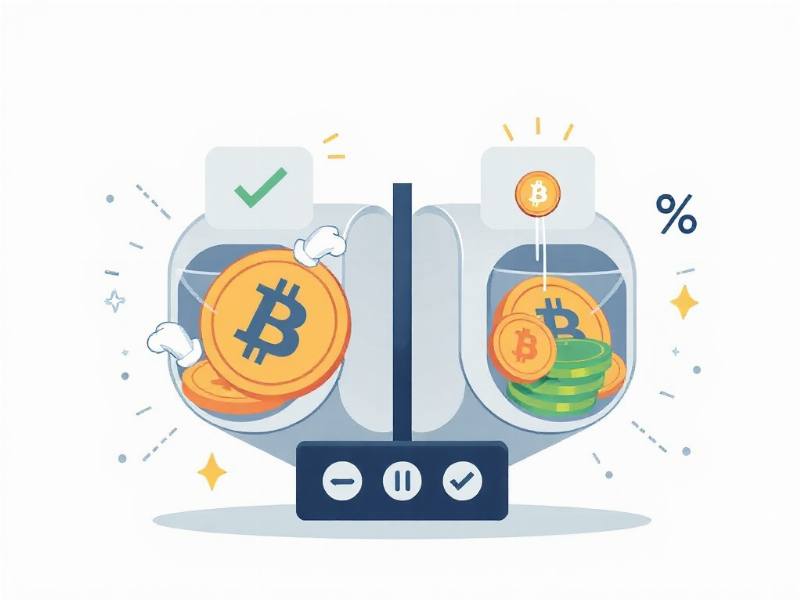
The Sparrow multisig vs privacy wallet debate often centers on the balance between security and privacy. Sparrow multisig excels in security by requiring multiple approvals, but it may not inherently provide the same level of anonymity as privacy wallets. On the other hand, privacy wallets focus on obscuring transaction data, but they may lack the robust security features of Sparrow multisig.
| Feature | Sparrow Multisig | Privacy Wallet |
|---|---|---|
| Security | High (multi-signature requirements) | Moderate (depends on wallet implementation) |
| Privacy | Low (does not inherently obscure data) | High (designed for anonymity) |
| Usability | Low (requires technical setup) | High (user-friendly interfaces) |
This trade-off is crucial for BTC mixer users. If security is the primary concern, Sparrow multisig may be the better choice. However, if anonymity is the priority, a privacy wallet would be more appropriate. The Sparrow multisig vs privacy wallet decision ultimately depends on the user’s specific needs and risk tolerance.
Use Cases for Each Solution
Understanding when to use Sparrow multisig versus a privacy wallet is key to optimizing BTC mixer operations. Here are some scenarios where each solution shines:
- Sparrow Multisig: Ideal for users who need to secure large amounts of BTC in a mixer. For example, a business using a BTC mixer to handle customer funds might employ Sparrow multisig to ensure that no single employee can access the funds without authorization.
- Privacy Wallet: Suitable for individual users who prioritize anonymity. A privacy wallet can be used to deposit BTC into a mixer, ensuring that the transaction history is not traceable to the user’s identity.
In some cases, combining both solutions can provide the best of both worlds. For instance, a user might use a privacy wallet to deposit BTC into a mixer and then employ Sparrow multisig to secure the mixed funds until they are distributed. This hybrid approach leverages the strengths of both Sparrow multisig vs privacy wallet systems.
Choosing Between Sparrow Multisig and Privacy Wallets
Factors to Consider
When deciding between Sparrow multisig and a privacy wallet, several factors should be taken into account:
- Security Requirements: If the primary concern is preventing unauthorized access, Sparrow multisig is the better option.
- Anonymity Needs: For users who want to avoid being tracked, a privacy wallet is more suitable.
- Technical Expertise: Sparrow multisig requires a higher level of technical knowledge, while privacy wallets are generally easier to use.
- Cost: Sparrow multisig may involve additional costs for setting up and managing multiple keys, whereas privacy wallets may have subscription or transaction fees.
For BTC mixer users, the choice between Sparrow multisig vs privacy wallet should align with their specific goals. For example, a mixer operator might prioritize Sparrow multisig to secure the mixing process, while a regular user might opt for a privacy wallet to protect their identity.
Recommendations for BTC Mixer Users
Based on the above considerations, here are some recommendations for BTC mixer users:
- Use Sparrow Multisig for High-Value Transactions: If you’re handling large sums of BTC in a mixer, Sparrow multisig can provide the necessary security.
- Combine with a Privacy Wallet for Maximum Anonymity: Using a privacy wallet alongside Sparrow multisig can enhance both security and anonymity.
- Evaluate Your Risk Tolerance: If you’re concerned about being tracked, prioritize privacy wallets. If you’re more worried about theft, focus on Sparrow multisig.
It’s also important to stay updated on the latest developments in both technologies. The landscape of BTC mixers and privacy solutions is constantly evolving, and what works today may not be optimal tomorrow. Regularly reviewing your Sparrow multisig vs privacy wallet setup can help ensure that you’re using the most effective tools available.
Conclusion
The Sparrow multisig vs privacy wallet